
- Vincenzo: A Stylish Mix of Mafia, Melodrama, and Moral Grayness
- What is Vincenzo?
- Plot Overview (without major spoilers)
- Main Characters
- Themes and Motifs
- Visual Style and Tone
- Memorable Sequences and Examples
- Why Vincenzo Resonated Internationally
- How Vincenzo Treats Law and Morality
- Who Should Watch Vincenzo?
- Final Thoughts
Vincenzo: A Stylish Mix of Mafia, Melodrama, and Moral Grayness

Vincenzo swept across global streaming charts with a mix of dark humor, high-stakes crime plotting, and a charismatic lead. At its heart it’s a revenge story, but one that continually subverts expectations: the protagonist is a consigliere with a moral compass that points not toward law books but toward a personal code shaped by loyalty, practicality, and a sense of poetic justice. This post explores what makes Vincenzo compelling—its characters, themes, style, and the reasons it resonated beyond South Korea.
What is Vincenzo?
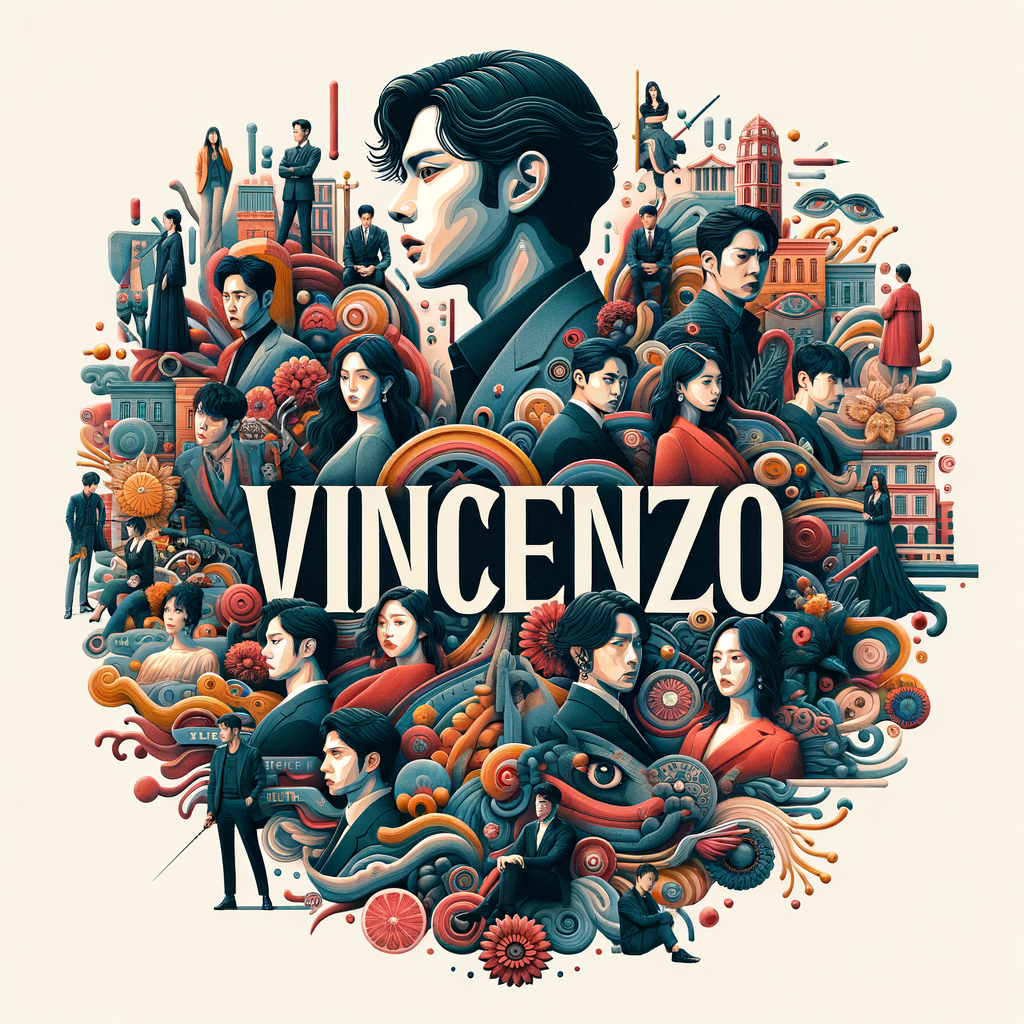
Vincenzo is a South Korean television series centered on Vincenzo Cassano (born Park Joo-hyung), a Korean adoptee raised in Italy who becomes a trusted lawyer and fixer for an Italian crime family. After political fallout within the mafia, he returns to South Korea to recover a stash of hidden gold. There he collides with Babel Group, a corrupt conglomerate, and teams up with a quirky group of allies—most notably Hong Cha-young, an ambitious lawyer—to topple corporate evil using unorthodox methods.
The show blends genres: part legal drama, part dark comedy, and part vigilante crime thriller. Its plotting ranges from tense courtroom battles to explosive set-piece confrontations, but what keeps viewers hooked is the moral ambiguity and the charismatic interplay between characters.
Plot Overview (without major spoilers)
- Vincenzo returns to Korea to retrieve gold that was hidden long ago beneath a building slated for demolition by Babel Group.
- To avoid direct confrontation with the conglomerate’s legal and corrupt political machinery, Vincenzo assembles a ragtag team made up of tenants from the building (Geumga Plaza), a plucky lawyer, and a former underground operative.
- Together they defend the building and its residents from legal maneuvers, violent enforcers, and corporate sabotage, while Vincenzo executes carefully designed schemes to humiliate and dismantle Babel.
- As the stakes rise, the series interrogates what justice means when the legal system is weaponized by the rich and powerful.
Main Characters
- Vincenzo Cassano (Song Joong-ki): A cool, calculated protagonist with a dry sense of humor and a penchant for symbolic retribution. He’s trained in mafia law and tactics but struggles with his Korean identity and personal ethics.
- Hong Cha-young (Jeon Yeo-been): A sharp, street-smart attorney who prefers legal wins but learns to embrace more direct approaches. Her tenacity and chemistry with Vincenzo drive much of the interpersonal drama.
- Jang Jun-woo / Jang Han-seok (Ok Taec-yeon): The charmingly sinister heir apparent of Babel Group whose ambitions and cruelty present a chilling corporate antagonist.
- Geumga Plaza tenants: A memorable ensemble of small-business owners and oddballs who provide heart, comic relief, and unexpected courage when defending their home.
These characters create a dynamic contrast: slick mafia tactics versus scrappy local resistance, legal procedure versus theatrical punishment. The ensemble lifts the tone from a straightforward revenge tale to an emotionally textured story about belonging and resistance.
Themes and Motifs
Vincenzo is rich with recurring themes that give it depth beyond action and humor:
- Moral ambiguity: The protagonist’s methods (intimidation, staged violence, manipulation) raise questions about ends justifying means. Is it acceptable to use criminal tactics against criminals and corrupt corporations?
- Justice vs. Legality: The series repeatedly highlights how legal systems can be skewed by money and influence, forcing marginalized people to seek justice outside formal channels.
- Found family: The Geumga Plaza residents become surrogate family for Vincenzo. Their bonds humanize him and reveal why he takes risks for them.
- Identity and belonging: A Korean man raised as an Italian mafia confidante must reconcile conflicting loyalties—his pragmatic gangster mindset and his cultural roots.
- Satire of corporate power: The show lampoons conglomerate culture, exposing how personal ambition often trumps morality in corporate hierarchies.
These themes are communicated not only through dialogue but through visual motifs—contrasting opulent corporate boardrooms with the worn but vibrant spaces of Geumga Plaza, and emphasizing small acts of kindness amid violence.
Visual Style and Tone
One of Vincenzo’s strengths is its stylistic boldness. The series mixes:
- Cinematic violence: Action sequences are choreographed with a stylish flair—often brutal but visually composed, echoing European noir sensibilities.
- Dark comedy: Black humor punctures tense moments, offering relief and highlighting the absurdity of battling corporate madness with mob-caliber theatrics.
- Eclectic production design: The mismatched aesthetic—luxurious Babel interiors vs. the eclectic Geumga Plaza—creates a visual shorthand for morality vs. greed.
- Musical cues: The soundtrack swings from melancholic to bombastic, underlining both introspective and showy set pieces.
The tonal shifts can be jarring at times, but they serve the narrative’s insistence that life, like justice, is messy and multifaceted.
Memorable Sequences and Examples
- Tactical theatrics: Rather than direct assassination or legal battles, Vincenzo often opts for elaborate public shaming or staged tricks that expose corporate crimes, turning the powerful’s own image against them.
- Small-business solidarity: Scenes of the Geumga Plaza tenants defending their shops—using creativity and collective courage—contrast sharply with the cold efficiency of corporate enforcement.
- Courtroom tension: Legal encounters with Babel’s lawyers are tense and intelligent, offering a counterpoint of procedural drama to the series’ more cinematic revenge moments.
- Quiet character moments: When the show slows down, it reveals Vincenzo’s loneliness and longing—nuances that make him sympathetic despite his ruthless tactics.
These sequences illustrate how Vincenzo balances spectacle with character development, ensuring emotional stakes remain high.
Why Vincenzo Resonated Internationally
Several factors explain its global popularity:
- A charismatic lead: Song Joong-ki’s performance blends charm, menace, and vulnerability—qualities that international audiences find magnetic.
- Genre fusion: The show’s mix of crime thriller, legal drama, and dark comedy keeps episodes unpredictable and entertaining.
- Timely themes: Corporate malfeasance, legal manipulation, and economic precarity speak to universal anxieties about power and justice.
- Strong supporting cast: Memorable side characters provide humor, pathos, and narrative depth, making the story feel lived-in.
- Cultural accessibility: While deeply Korean in setting and some social commentary, the narrative’s archetypes—underdogs vs. the powerful, vigilante justice—translate broadly.
In short, Vincenzo provides both escapist thrills and thought-provoking questions about fairness and power—an appealing combination in a world increasingly suspicious of elites.
How Vincenzo Treats Law and Morality
Vincenzo doesn’t glorify the legal system, nor does it endorse lawlessness wholesale. Instead:
- It shows the legal system’s vulnerabilities: bribery, manipulation, and corporate clout warp outcomes.
- It explores alternative justice: When systems fail, people turn to informal mechanisms—protests, grassroots resistance, and, in this case, vigilante tactics.
- It complicates morality: Vincenzo’s actions force viewers to wrestle with whether immoral means can produce moral outcomes, or whether violence begets further harm.
This ambiguity is one of the show’s strengths: it refuses to hand audiences a tidy moral verdict, instead inviting debate and reflection.
Who Should Watch Vincenzo?
- Fans of antihero-led dramas: If you like protagonists who operate in legal and moral gray zones (think antiheroes from noir or certain prestige dramas), Vincenzo will satisfy.
- Viewers who enjoy blends of humor and violence: The series moves between levity and brutality; some viewers find that contrast exhilarating.
- People interested in corporate thrillers: The Babel Group storyline is a sharp satire of corporate greed and impunity.
- Those who appreciate ensemble casts: The charming, diverse group of Geumga Plaza tenants adds warmth and depth beyond the central revenge plot.
Note: The show contains violence, dark themes, and morally complex behavior, so it’s best suited to mature audiences.
Final Thoughts
Vincenzo stands out not just for its stylish action and witty writing but for its willingness to interrogate what justice looks like when institutions fail the marginalized. Its charms are many: a magnetic lead performance, a vividly drawn supporting cast, and a tonal audacity that swings from comic absurdity to stark brutality. Whether you’re in it for the twisted schemes, the courtroom duels, or the cathartic takedowns of corporate villainy, Vincenzo offers a layered, entertaining ride that lingers long after the credits roll.
Conclusion
Vincenzo is more than a revenge drama—it’s a reflection on identity, power, and the messy ways people seek restitution. With memorable characters, a sharp critique of corporate corruption, and a seductive stylistic palette, the series invites viewers to root for an imperfect hero while asking difficult questions about law, morality, and who gets to determine justice. If you appreciate stories that combine heart, humor, and high-stakes cunning, Vincenzo is worth watching.