

- From Game to Screen: Faithfulness and Reinvention
- The Heart of the Series: Characters and Performances
- Themes: Survival, Parenting, and Moral Ambiguity
- Production Values: Cinematography, Sound, and Worldbuilding
- Standout Scenes and Episodes
- Reception and Cultural Impact
- Who Should Watch and Content Warnings
- Tips for New Viewers and Game Fans
- Conclusion
Serie The Last of Us: How the HBO Adaptation Brought a Video Game to Life
The Last of Us began as one of the most celebrated video games of its generation — a bleak, emotionally charged story about survival, love, and moral ambiguity set against a post-pandemic America. When HBO announced a television adaptation, expectations were high and skepticism ran deep: could a medium built on interactive storytelling be adapted into a serialized, non-interactive drama without losing its heart? The answer, for most viewers and critics, was a resounding yes. This article explores what makes the series work, how it adapts the source material, its standout moments, and why it matters beyond fandom.
From Game to Screen: Faithfulness and Reinvention
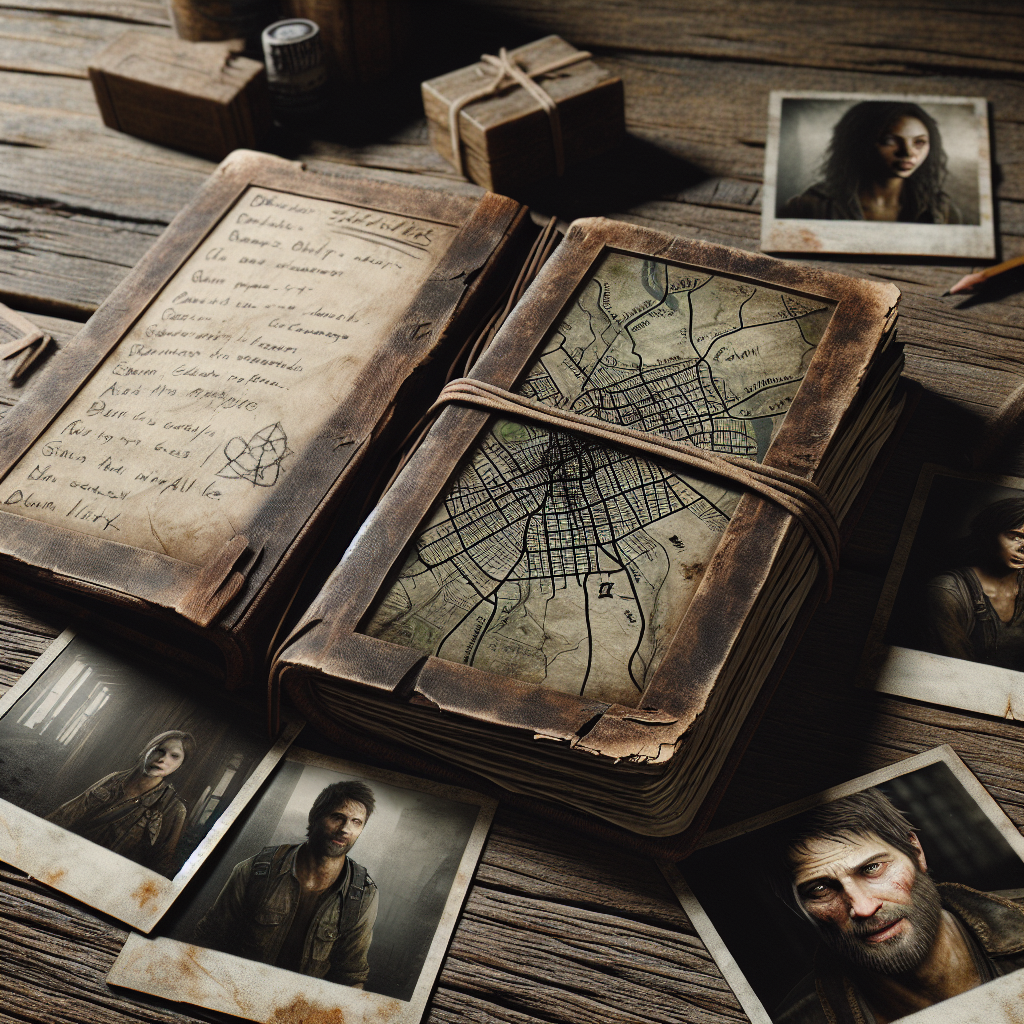
One of the series’ most impressive feats is how it balances fidelity to the original game with creative reinvention. Showrunners Craig Mazin (Chernobyl) and Neil Druckmann (co-creator and writer/director of the game) treated the game as a narrative blueprint rather than an untouchable script.
-
What was preserved
- Core plot beats: the prologue loss, Joel’s mission to escort Ellie, the journey through quarantine zones, and the climactic moral dilemma remain intact.
- Central relationship: the evolving, paternal bond between Joel and Ellie is the emotional engine of both the game and the show.
- Iconic moments: sequences like the giraffe encounter and the harrowing hospital prologue appear largely as fans remember them.
-
What was expanded or changed
- Longer character arcs: the TV format allows for deeper exploration of secondary characters, giving them richer backstories and more screen time.
- New perspectives: certain scenes are reframed to add nuance or to explore ethical complexity from different angles.
- Emotional recalibration: some beats are altered or slowed down to maximize dramatic payoff in a non-interactive medium.
This mix of reverence and flexibility helped the series satisfy long-time fans while remaining accessible to viewers unfamiliar with the games.
The Heart of the Series: Characters and Performances
A faithful plot is only part of the equation. The series succeeds primarily because of its performances and character work.
-
Pedro Pascal as Joel
- Pascal captures Joel’s gruff exterior and buried tenderness. His chemistry with Ellie is central to the show’s emotional authenticity.
-
Bella Ramsey as Ellie
- Ramsey’s performance is noted for its emotional precision and depth. Ellie’s blend of dry humor, vulnerability, and stubbornness feels lived-in rather than performed.
-
Supporting players
- The show populates its world with memorable supporting turns that expand the emotional and moral landscape — from hardened survivors to fleeting strangers whose stories linger.
Example: The Bill and Frank episode (told with patient, tender focus) was widely praised for transforming a minor subplot from the game into a moving standalone story about companionship, time, and small acts of care. This episode demonstrated the series’ willingness to slow down and invest in human detail.
Themes: Survival, Parenting, and Moral Ambiguity
At its core, The Last of Us is less about zombies and more about people. The cord that ties the series together is emotional: how trauma informs behavior, how people justify violence in the name of protection, and what it means to form family in a world where structures have collapsed.
Key thematic threads:
- Survival vs. humanity: characters repeatedly face choices between self-preservation and compassion.
- Parenting and surrogate families: Joel’s transformation into a guardian figure for Ellie reframes survival as emotional stewardship, not just physical protection.
- Moral ambiguity: the series avoids easy answers. Right and wrong blur as characters make painful choices they deem necessary.
These themes are woven into the plot rather than shoehorned, which keeps the drama resonant rather than preachy.
Production Values: Cinematography, Sound, and Worldbuilding
HBO’s production resources are on full display. The series invests in practical sets, detailed prosthetics, and location work that render the world convincingly decayed yet lived-in.
-
Visuals
- The cinematography favors long takes, careful framing, and an earthy color palette that emphasizes silence as much as chaos.
- Production design sells a world reclaimed by nature — overgrown highways, dilapidated quarantine zones, small domestic interiors repurposed for survival.
-
Sound and score
- The soundtrack and sound design balance sparse acoustic cues with tense ambient textures. Music punctuates emotional beats rather than overwhelming them.
-
Effects and makeup
- Infected creatures are realized with a mix of prosthetics and visual effects that feel tactile and disturbing, avoiding over-reliance on CGI.
Together, these elements create an immersive atmosphere: a believable world in which small moments — a shared meal, a roadside cemetery, a quiet lookout — carry heavy emotional weight.
Standout Scenes and Episodes
Several sequences demonstrate how the series translates interactive moments into compelling television:
-
The Prologue (Sarah’s loss)
- A compact, gutting opening that establishes Joel’s core trauma instantly. The show’s visual storytelling and an affecting performance sell the emotional stakes from minute one.
-
The Giraffe Encounter
- A peaceful, almost magical interlude in a brutal world — this scene underscores the series’ talent for juxtaposing beauty and horror, and it gives viewers a deeply human moment to breathe.
-
Bill and Frank Episode
- Expanded from a minor subplot into a full narrative, this episode is a quiet masterclass in storytelling about love, routine, and dignity in the face of slow decline.
-
The Hospital and Quarantine Zone Sequences
- Tense set pieces that highlight the show’s choreography and the characters’ resourcefulness, while also setting up ethical conflicts that resonate later.
These scenes show that the series can be tender and brutal, often in the same episode, and can mine emotional complexity from quiet character beats as effectively as from action sequences.
Reception and Cultural Impact
The Last of Us succeeded critically and commercially, drawing praise for its writing, performances, and visuals. It sparked conversations about adaptation: how to honor a beloved source while rethinking and deepening its themes for a different medium.
- For gamers: the series validated the game’s narrative importance and offered a fresh lens on well-known scenes.
- For non-gamers: it functioned as a standalone drama about people in extremis — accessible and affecting.
It also prompted broader discourse about pandemic storytelling and the ethics of survival narratives, especially in a cultural moment more conscious of public health and societal fragility.
Who Should Watch and Content Warnings
The series is recommended for viewers who appreciate character-driven drama and are comfortable with mature themes. It is not a popcorn action show; it’s deliberate, somber, and emotionally intense.
-
Trigger warnings
- Violence, death (including the death of children), and graphic depictions of infected creatures.
- Themes of trauma, loss, and moral ambiguity.
-
Recommended audience
- Fans of post-apocalyptic fiction, character drama, and thoughtful adaptations.
- People who enjoyed the game and want a deeper exploration of its world — and viewers previously unfamiliar with the franchise who want a powerful, standalone drama.
Tips for New Viewers and Game Fans
- For newcomers: enter the series with minimal spoiler knowledge. The show’s emotional revelations land best in sequence.
- For game fans: watch with an open mind. The show adds to the world rather than simply retelling the same beats. Appreciate the differences — they’re often interpretive choices meant to enrich characters.
- For parents or sensitive viewers: check content advisories and consider viewing guidance for younger audiences.
Conclusion
The Last of Us on HBO is a rare example of an adaptation that honors its source material while confidently asserting its own artistic identity. It proves that video game narratives can translate into powerful televised drama when handled with respect, strong performances, and thoughtful expansion. More than a survival tale, the series is an examination of how people cling to each other when everything else has fallen apart — and what they are willing to become to protect the ones they love. Whether you came for the game, the actors, or the storytelling, the series delivers a haunting, often beautiful meditation on love and loss in a broken world.