
- A Brief Overview
- Key Characters
- Visual Style and Set Design
- Music and Soundtrack
- Themes and Symbolism
- Narrative Strengths and Occasional Weaknesses
- Cultural Impact and Fandom
- Why It Still Resonates
- Memorable Scenes (Without Major Spoilers)
- Who Should Watch It?
- Conclusion
Hotel Del Luna: A Haunting Tale of Love, Regret, and Redemption
Hotel Del Luna (호텔 델루나) arrived in the summer of 2019 as a visually sumptuous, emotionally rich K-drama that mixed fantasy, romance, and dark comedy. Starring IU (Lee Ji-eun) as the icy, eccentric hotel owner Jang Man-wol and Yeo Jin-goo as the principled hotel manager Goo Chan-sung, the series quickly captured both domestic and international audiences with its unique premise: a hotel that caters exclusively to ghosts. More than a ghost story, Hotel Del Luna is a meditation on grief, atonement, and the long shadows of choices made long ago.
Below is a closer look at what makes the show memorable—its story and characters, visual and musical identity, themes and symbolism, cultural impact, and why it still resonates.
A Brief Overview
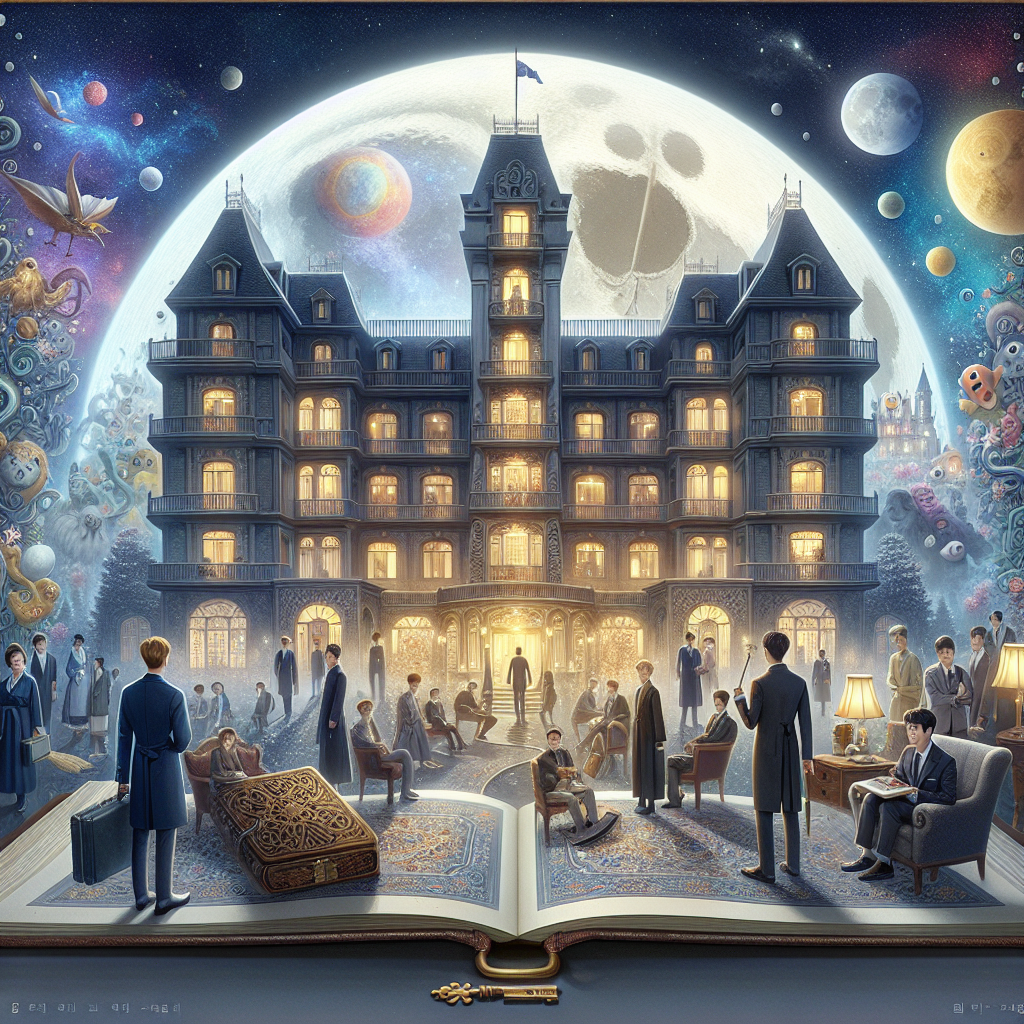
Hotel Del Luna centers on an otherworldly hotel that looks like a luxurious, antiquated establishment yet exists in a liminal space between life and death. Jang Man-wol is its imperious, proud owner—cursed to run the hotel until her past is settled. Goo Chan-sung, a competent but practical hotelier, becomes Man-wol’s reluctant manager after a twist of fate forces him into the role.
Each episode blends episodic ghost-of-the-week tales with a serialized arc that slowly unpacks Man-wol’s tragic backstory and the reasons she is bound to the hotel. The show balances heartfelt farewells and eerie encounters with glints of humor and romantic tension.
Key Characters
-
Jang Man-wol (IU)
- A complex antiheroine: scathing, regal, capricious, yet profoundly lonely. Her stylish, theatrical wardrobe and expressive performances anchor the show.
- Her arc is about learning to let go of pain and accepting forgiveness—both from others and herself.
-
Goo Chan-sung (Yeo Jin-goo)
- A grounded, moral foil to Man-wol’s volatility. His professionalism and compassion gradually thaw her guarded heart.
- Chan-sung’s presence highlights themes of duty and the power of human connection in healing wounds.
-
The Hotel Staff and Guests
- A supporting ensemble (the concierge, bellhop, and chef among them) adds warmth, comic relief, and human perspectives on life, death, and unfinished business.
- The spectral guests often have touching stories that explore regret, attachment, and the need for closure.
Visual Style and Set Design
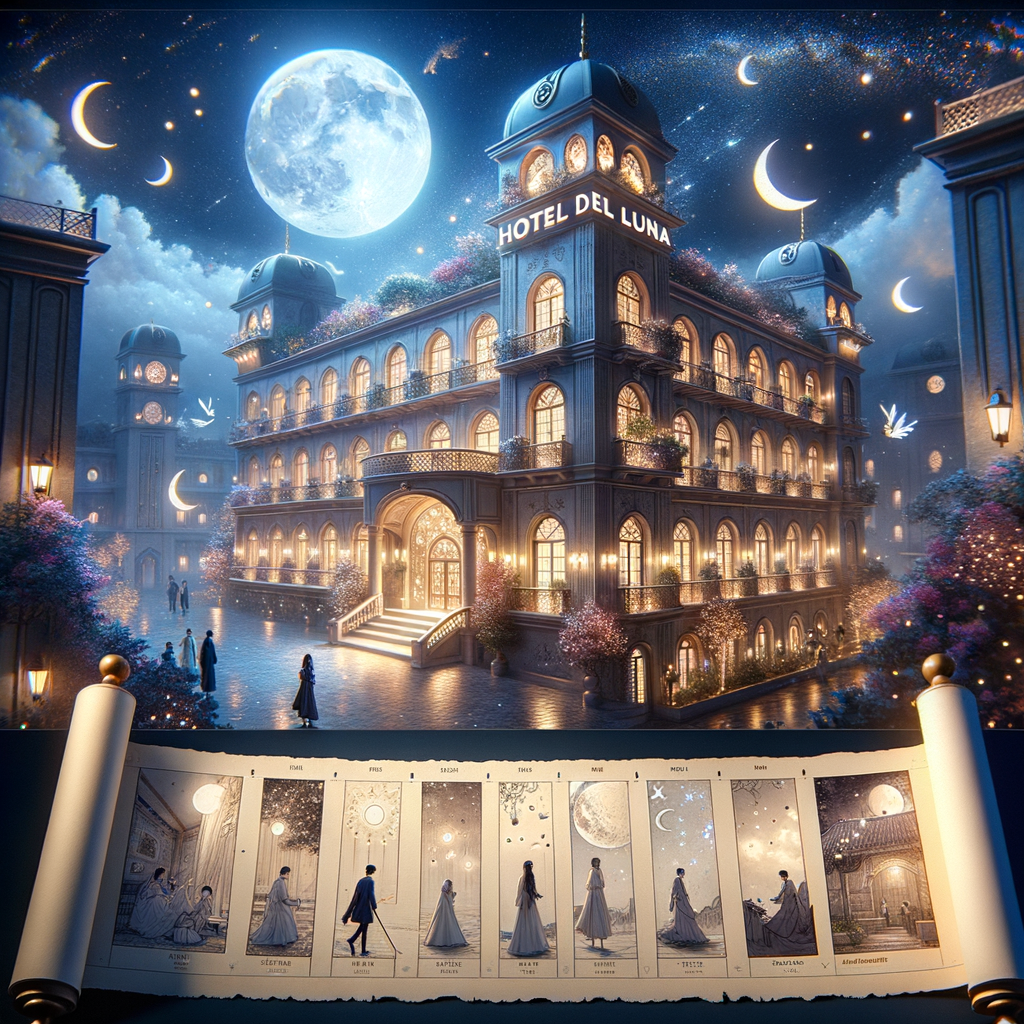
One of Hotel Del Luna’s strongest assets is its design. The hotel itself is treated as a character—opulent, baroque, and eerily beautiful. The production design blends traditional Korean motifs with Victorian and gothic influences, producing an aesthetic that feels timeless and otherworldly.
-
Color and lighting
- A rich palette—deep reds, golds, velvets, and moonlit blues—creates mood and separates the living world from the hotel’s supernatural ambiance.
- Strategic lighting and silhouettes underscore scenes of revelation, memory, and transformation.
-
Costuming
- Jang Man-wol’s wardrobe is a visual statement: haute-couture fantasy that speaks to her long life, pride, and theatrical personality.
- Costume choices support character development; as Man-wol softens, subtle shifts in styling reflect her inner change.
-
Practical effects and set pieces
- The hotel spaces—lobbies, rooms, an eerie rooftop—are detailed and immersive, making each ghostly encounter feel intimate rather than spectacle-driven.
Example: A recurring image is the moonlit window—used to separate past from present and to signify moments of reckoning. These motifs make the show linger visually after an episode ends.
Music and Soundtrack
The soundtrack elevates the series, balancing melancholic orchestration with contemporary pop-infused tracks. Score cues underscore emotional beats—loss, yearning, catharsis—while lyrical songs punctuate key scenes. The sound design also enhances atmosphere: echoing steps, rustling silk, or a distant chime can make a quiet moment feel profound.
Although specific OST tracks became popular among fans, the broader effect is consistent: music that amplifies the bittersweet tone, helping viewers move from laughter to tears within a single episode.
Themes and Symbolism
Hotel Del Luna is rich in thematic content, and its use of fantasy allows it to address universal human experiences through symbolic storytelling.
-
Grief and Letting Go
- Ghost guests often represent unresolved regrets. The hotel provides them a space to confront and accept their past, mirroring real-world processes of mourning and closure.
-
Karma and Atonement
- Man-wol’s centuries-long punishment speaks to moral responsibility and the possibility of redemption—even for those who have made grave mistakes.
-
Identity and Transformation
- Both leads face identity crises: Man-wol’s identity is stuck in a traumatic past, and Chan-sung must reconcile his duty with compassion. Their journeys are about becoming more whole.
-
Time and Memory
- Flashbacks and time jumps emphasize how the past continually shapes the present. The hotel is literally a place where time is suspended, allowing characters to resolve issues they never could in life.
Example: An episode may center on a couple separated by sudden death, with the hotel offering space for an honest conversation they were denied. The scene becomes a poignant exploration of regret and forgiveness rather than mere supernatural spectacle.
Narrative Strengths and Occasional Weaknesses
Strengths
- Emotional payoff: The series succeeds when it focuses on intimate human stories and genuine emotional catharsis.
- Visual and tonal consistency: It maintains a distinctive aesthetic that supports the narrative.
- Strong lead performances: IU and Yeo Jin-goo deliver layered portrayals that anchor the show’s emotional stakes.
Weaknesses
- Pacing: Some viewers found the pacing uneven; certain episodes slow down the central mystery in favor of standalone ghost tales.
- Plot resolutions: A few character arcs and revelations may feel rushed toward the finale as the series ties up multiple threads.
These shortcomings, however, rarely undercut the show’s overall emotional resonance.
Cultural Impact and Fandom
Hotel Del Luna made a notable splash internationally, partly due to IU’s star power and the show’s accessible fantasy premise. It fostered an active fanbase that engaged in:
- Fan art and cosplay focused on Jang Man-wol’s distinctive looks.
- Pop-up exhibitions and themed cafes that recreated elements of the hotel experience.
- Social media discussions dissecting symbolism, scenes, and character motivations.
The series also boosted interest in K-drama productions that blend genre elements—proving that audiences are eager for visually driven, emotionally complex fantasy romance.
Why It Still Resonates
Several reasons explain the show’s lasting appeal:
- Universality: Its themes—love, regret, forgiveness—are universal. Even when wrapped in fantasy, the emotions feel real.
- Aesthetic escape: The hotel’s design and production provide a memorable visual escape that stays with viewers.
- Character-driven storytelling: At its heart, the show is about characters learning to be kinder to themselves and others.
For viewers seeking a series that combines style with substance, Hotel Del Luna offers both spectacle and soul.
Memorable Scenes (Without Major Spoilers)
- The first awkward clash: When Chan-sung first steps into the hotel as its new manager, the cultural and personality clash between him and Man-wol sets up the show’s central friction.
- A farewell that lands: Several episodes end with quiet, intimate goodbyes between ghosts and their loved ones—moments that consistently evoke strong reactions.
- Visual crescendos: Scenes that use elaborate sets and costumes, like ballroom-like confrontations or moonlit revelations, are standout moments that showcase the show’s production design.
Who Should Watch It?
- Fans of fantasy romance who appreciate lyrical, melancholic storytelling.
- Viewers who enjoy character-driven dramas with occasional humor and episodic emotional arcs.
- Anyone who loves strong production design and a soundtrack that supports rather than overwhelms the narrative.
If you like shows that linger in mood and theme as much as plot, Hotel Del Luna is a rewarding watch.
Conclusion
Hotel Del Luna is more than a supernatural romance; it’s a lush, character-focused exploration of what it means to carry guilt, how love can be both burden and balm, and how confronting the past is a route to freedom. With striking visuals, moving performances, and a soundtrack that tugs at the heart, it transforms a hotel full of ghosts into a space where the living can be reminded of what matters most. Whether you come for the style, the romance, or the emotional catharsis, Hotel Del Luna offers an experience that’s haunting in the best possible way.